When a vehicle will not shift out of park, the most useful information to provide is what the driver is experiencing, where the vehicle is located, and whether the engine is running. Clear details can help a roadside or towing dispatcher understand the situation and determine what type of assistance may be appropriate.
For drivers in Green River, UT, a vehicle stuck in park can become especially inconvenient when it happens at a gas station, parking lot, hotel, roadside stop, or before continuing a longer trip. Knowing what information to share can make the service call more efficient and reduce unnecessary confusion.
What Does It Mean When a Vehicle Will Not Shift Out of Park?
A vehicle that will not shift out of park is unable to move from the parked gear position into drive, reverse, or neutral.
This can happen for several reasons. Some problems are related to the brake-shift interlock system, while others may involve the battery, brake pedal switch, gear selector, transmission controls, or another mechanical or electrical issue.
Drivers do not need to diagnose the exact cause before requesting assistance. The more important step is to describe what is happening as clearly as possible.
What Symptoms Should Be Reported First?
Start by explaining exactly what happens when attempting to move the gear selector.
Useful details include:
- Whether the gear selector moves at all
- Whether the engine starts
- Whether the brake pedal feels normal
- Whether dashboard warning lights are visible
- Whether the vehicle has power
- Whether clicking or unusual sounds are present
- Whether the problem started suddenly
These details can help dispatch distinguish between a possible roadside issue and a situation that may require a towing service.
If the driver is unsure what is causing the problem, that is completely acceptable. Reporting the symptoms is more helpful than guessing at a diagnosis.
Why Does the Vehicle Location Matter?
Location is important because access conditions can affect how assistance is provided.
A vehicle stuck in park in a wide, open parking area is different from one located in a narrow parking space, near a curb, on an incline, or inside a parking structure.
When contacting road side assistance, drivers should provide the exact address or nearby landmark along with details about the vehicle’s position.
In Green River, this may include a hotel parking lot, travel stop, restaurant, residential area, or roadside location.
The driver should also mention whether another vehicle is blocking access or whether there is limited space around the front or rear of the vehicle.
Should You Report Whether the Vehicle Can Start?
Yes. Whether the engine starts is an important detail.
If the vehicle has no electrical power, the problem may be related to the battery or another electrical issue. If the engine starts normally but the gear selector remains locked in park, the situation may point to a different type of problem.
Drivers should also report whether the headlights, interior lights, dashboard, and other electrical features appear to be working.
This information can help emergency roadside assistance providers better understand what equipment or service may be needed.
Why Is It Important to Mention the Brake Pedal?
Many modern vehicles use a brake-shift interlock system that requires the brake pedal to be pressed before the vehicle can shift out of park.
If the brake lights are not working or the brake pedal switch is not functioning properly, the vehicle may remain locked in park.
Drivers should report whether the brake pedal feels unusually stiff, soft, or otherwise different from normal. If another person is safely available to observe the rear of the vehicle, they may also be able to confirm whether the brake lights illuminate when the pedal is pressed.
Drivers should avoid forcing the gear selector, as this can create additional damage.
When Might Towing Be Necessary?
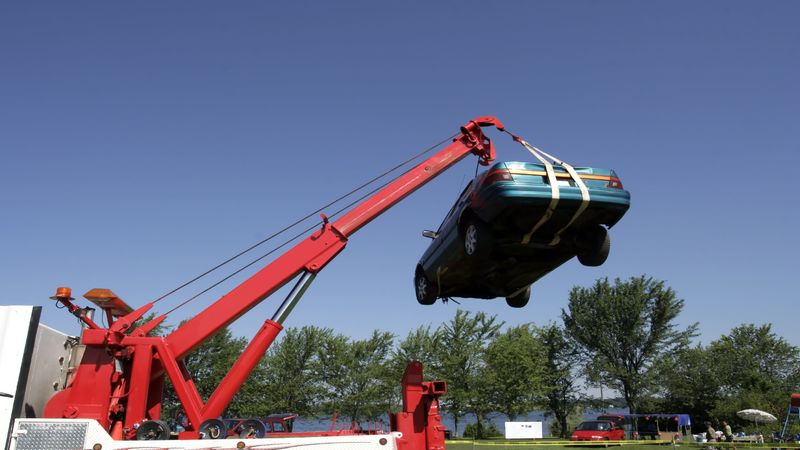
Towing may be needed when the vehicle cannot safely be moved or when roadside service cannot resolve the problem at its current location.
For example, if the vehicle cannot shift into neutral or the issue appears to involve the transmission, gear selector, or another internal component, transportation to a repair facility may be the next step.
The towing provider may need to know whether the wheels can roll, whether the steering is functional, and whether the vehicle is parked on a slope or in a restricted area.
These details help determine how the vehicle can be moved safely.
What Vehicle Information Should You Have Ready?
Before calling for assistance, it helps to have basic vehicle information available.
Dispatch may ask for:
- Vehicle year
- Make and model
- Approximate size
- Current location
- Whether the engine starts
- Whether the vehicle can roll
- Whether the steering works
- Whether the wheels appear locked
This information is especially helpful when arranging towing because different vehicle conditions can require different handling methods.
Why Should You Avoid Forcing the Shifter?
A gear selector that will not move should not be forced.
Applying excessive pressure can damage the selector mechanism or related components. If the vehicle is already experiencing an electrical or mechanical problem, forcing the system may make the situation more difficult to resolve.
Drivers should instead document what they are experiencing and explain the symptoms when requesting roadside assistance.
If the vehicle is in a traffic area or another unsafe position, moving to a safer location away from traffic while waiting for help is generally the better option when possible.
What Should Drivers in Green River Report Before Help Arrives?
Before the service provider arrives, drivers should make sure the location and access instructions are clear.
They should report any nearby landmarks, parking restrictions, gates, narrow access points, or other conditions that could affect the response. Keeping a phone nearby is also helpful in case dispatch needs to confirm the vehicle location.
A vehicle that will not shift out of park can be frustrating, but accurate information can help the responding team assess the situation more efficiently.
What Is the Next Step When a Vehicle Stays Stuck in Park?
If a vehicle will not shift out of park, the key is to avoid forcing the controls and provide clear information about the symptoms, location, and vehicle condition.
Drivers in Green River, UT who cannot safely move their vehicle should contact a roadside or towing provider and explain exactly what is happening. Clear details about the vehicle and its surroundings can help determine whether roadside assistance or towing is the appropriate next step.